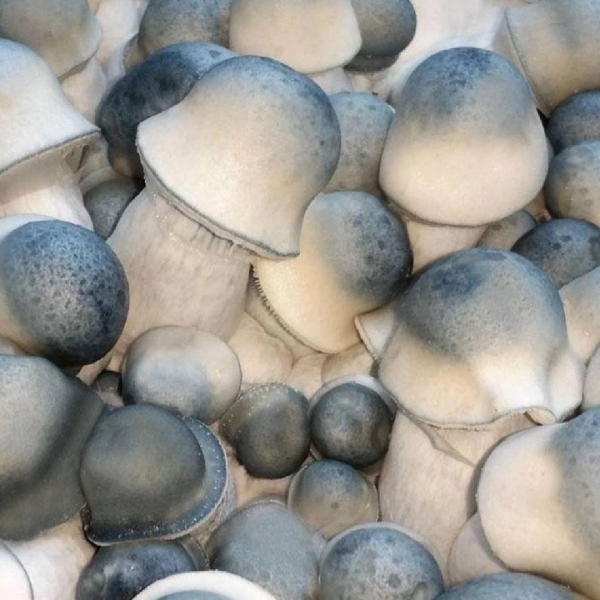
As attitudes toward psychedelics continue to evolve, magic mushrooms, primarily containing the psychoactive compound psilocybin, are gaining traction as a potential therapeutic tool and recreational option across the United States. With a growing body of research highlighting their benefits for mental health, several states have begun to explore or implement legislative measures aimed at decriminalizing or legalizing their use. This article delves into the top five states where individuals can legally buy magic mushrooms, examining the specific laws, cultural attitudes, and initiatives driving these changes, while also considering the broader implications for the future of psychedelic policy in the country.
Overview of Magic Mushroom Legislation in the U.S.
Magic mushrooms, with their active compound psilocybin, have danced in and out of legality like a particularly ambitious tango. Once vilified and pushed into the shadows by the War on Drugs, they’re now making a comeback faster than you can say “trip.” Several states are reevaluating the legality of psilocybin, often citing its therapeutic benefits in treating conditions like PTSD, depression, and anxiety. While the federal government still classifies psilocybin as a Schedule I substance (so, illegal, but who’s counting?), states are taking the initiative to forge their own paths.
Historical Context
The saga of magic mushrooms in America can be traced back to the mid-20th century when they were hailed as the next big thing in psychology. However, following a surge in recreational use during the 1960s, they were promptly outlawed. Fast forward to the 21st century, and a growing body of research is reigniting interest among lawmakers and the public alike. As discussions about mental health care evolve, so does the potential for psilocybin to take center stage on the legislative floor.
Current Legal Status by State
As of now, the legal landscape resembles a patchwork quilt. Oregon has taken the lead with its historic Measure 109, allowing supervised psilocybin use for therapeutic purposes. Colorado has followed suit with decriminalization initiatives in several cities, while other states like California and Michigan are in various stages of exploration or trial. Meanwhile, some states remain staunchly anti-mushroom, leaving their residents twiddling their thumbs and waiting for change.
Criteria for Selection of States
In identifying the top states for buying magic mushrooms, several factors were weighed — after all, it’s not just about legality; it’s about accessibility and societal acceptance. Here are the criteria that paved the way for our selections:
Legal Framework and Regulations
A state’s legal framework regarding psilocybin is the most obvious factor; after all, you can’t go on a mushroom spree without a little legal wiggle room. Some states have comprehensive regulations that ensure safe and responsible usage, such as training for facilitators and rules around psilocybin production. A solid legal framework is crucial for protecting both users and providers.
Access and Availability
What good is a magic mushroom if you can’t find it? Access goes hand-in-hand with legality. States where psilocybin can be acquired through licensed facilities or where decriminalization has taken root tend to rank higher. After all, we’re looking for places where a casual stroll through the woods can lead to a transformative experience rather than a police encounter.
Public Perception and Cultural Acceptance
Finally, we must consider how the local culture embraces (or shuns) magic mushrooms. States with favorable public perception may have community initiatives, educational programs, or advocacy groups that promote responsible psilocybin use. The more acceptance there is, the easier it is for people to explore these mind-expanding fungi without fear of stigma or backlash.
Oregon: Pioneering Psilocybin Access
Oregon has become the poster child for psilocybin progressiveness, thanks to its groundbreaking legislation that sets the tone for the rest of the country.
Groundbreaking Legislation Overview
In 2020, Oregon voters passed Measure 109, allowing the regulated medical use of psilocybin. This legislation takes a novel approach, allowing individuals to access psilocybin in controlled environments, like wellness centers, under the supervision of trained facilitators. It’s not exactly a free-for-all, but it’s a significant leap in the right direction.
Implementation and Accessibility
The implementation of Measure 109 is an ongoing endeavor, with the state slowly rolling out guidelines for therapy centers and facilitators. By 2023, expect an array of licensed facilities across the state, making psilocybin fairly accessible for those seeking therapeutic benefits — because navigating emotional challenges shouldn’t require a treasure map.
Impact on Mental Health Treatment
The hope is that Oregon’s pioneering efforts will yield significant insights into psilocybin’s role in mental health treatment. Early studies indicate positive outcomes for conditions like depression and anxiety, and if Oregon’s approach proves successful, it could inspire a domino effect across the nation. Oregonians may soon find themselves not just happier, but ready to lead the charge in mental health reform.
Colorado: Expanding Decriminalization Efforts
Colorado is no stranger to progressive legislation, and when it comes to magic mushrooms, it’s no different. The Centennial State is making waves with its recent steps towards decriminalization.
Recent Legal Developments
In 2019, Denver became the first U.S. city to decriminalize psilocybin mushrooms, sparking conversations statewide and beyond. Since then, several other cities and counties have followed in its footsteps, creating a patchwork of psilocybin-friendly areas. The trend indicates a growing acceptance among residents and lawmakers alike, with an eye toward broader regulations and potential recreational use.
Community Initiatives and Advocacy
Colorado boasts a vibrant community advocating for psilocybin education and responsible usage. Groups like the Denver Psilocybin Initiative are pushing for comprehensive reform, raising awareness about the potential benefits of mushrooms. With a supportive community and an engaged populace, Colorado is leveling up its game in the quest for psilocybin acceptance.
Potential for Future Legislation
With the ground shifting beneath our feet, Colorado stands at a crossroads of potential legislation that could propel psilocybin access further into the mainstream. An upcoming ballot measure could expand regulations, making it easier for those seeking mushroom therapy to find a licensed provider. As the conversation about mental health continues to evolve, Colorado might just become the next leader on the magic mushroom frontier.
California: Emerging Trends in Psychedelic Policy
Current Legal Landscape
California is leading the way in changing the perception of magic mushrooms, thanks to the increasing recognition of their therapeutic potential. While psilocybin remains classified as a Schedule I substance, recent moves by various cities, including Oakland and Santa Cruz, have decriminalized the possession and use of mushrooms. So, while you can’t exactly stroll into a store and buy a bag of shrooms just yet, the mood is definitely shifting in their favor.
Local Government Actions
Local governments in California are getting a head start on magic mushrooms, with cities enacting measures that prioritize public health and safety over strict prohibition. Initiatives for decriminalization are popping up like mushrooms after a rainstorm, allowing adults to possess small amounts for personal use without fear of legal repercussions. The city of San Francisco is even exploring innovative therapeutic programs using psilocybin under medical supervision. Talk about a trippy city council meeting!
Future Proposals and Outlook
As California continues to explore the therapeutic uses of psilocybin, we can expect further proposals to pop up. Advocates are pushing for statewide legalization, which could lead to regulated sales in the not-so-distant future. With big-name politicians slowly hopping onto the psychedelic bandwagon and a growing body of research supporting the benefits of psilocybin, it’s clear that California may soon be the land of milk and magic mushrooms.
Michigan: Local Initiatives and Legal Framework
Decriminalization Efforts
Michigan has been making headlines for its progressive approach to psilocybin. Several cities, including Ann Arbor and Detroit, have initiated successful decriminalization measures, making it one of the more mushroom-friendly states in the Midwest. Possession of magic mushrooms is no longer the criminal offense it used to be, allowing residents to enjoy a little trip without worrying about a hefty prison sentence.
Role of Grassroots Movements
Grassroots movements in Michigan are playing a crucial role in advancing the cause for magic mushrooms. Activist groups have worked tirelessly to gather support, host educational events, and mobilize communities to voice their support for decriminalization. These passionate mushroom-loving folks are shining a light on the therapeutic potential of psilocybin, making it clear that they’re in it for the long haul, armed with facts—and probably a few fun stories from their own experiences!
Possible Expansion of Access
With successful decriminalization efforts underway, discussions about expanding access to psilocybin for therapeutic use are starting to heat up. As public opinion shifts and the potential benefits of psilocybin become more widely acknowledged, lawmakers may be prompted to consider more formal regulations, including potential medical use in therapeutic settings. The future looks promising for Michiganders eager to explore the benefits of magic mushrooms.
Washington: Exploring the Future of Psilocybin Use
Current Status of Legislation
In Washington, the legal landscape for magic mushrooms sits somewhere between cautious curiosity and hopeful optimism. While psilocybin is still classified as a Schedule I substance, the state has seen initiatives aimed at the legalization of psilocybin for therapeutic purposes. In 2021, a bill was introduced to allow for supervised psilocybin services, making this state a contender in the race for progressive psychedelic legislation.
Research and Clinical Trials
Washington is also making strides in the research realm, with universities and institutions ramping up studies on psilocybin’s potential for mental health treatments. Clinical trials are underway to investigate its effects on conditions like depression and anxiety, and researchers are optimistic about the outcomes. The state has become a hub for psychedelic research, which is crucial in painting a clearer picture of psilocybin’s benefits and shaping future legislation.
Public Opinion and Support
Public support for psilocybin legalization in Washington is steadily growing, with more residents recognizing the potential benefits of this magical fungus. Polls indicate a significant shift in perception, as discussions around mental health and alternative therapies gain traction. Support from various demographics, including younger voters and mental health advocates, suggests that lawmakers may soon find themselves under pressure to act—hopefully in a way that includes legal access to psilocybin mushrooms.
Conclusion: The Path Forward for Magic Mushroom Legalization
Challenges Ahead
Despite the positive momentum, there are still hurdles to overcome on the path to broader legalization of magic mushrooms. Stigma, lack of funding for research, and resistance from lawmakers who fear public backlash all pose significant challenges. As we’ve seen in other progressive movements, the transition from grassroots initiatives to sweeping legislation can be painfully slow—and sometimes a bit trippy!
Opportunities for Advancement
On the bright side, the growing body of scientific evidence supporting the therapeutic benefits of psilocybin, combined with shifting public opinion, presents a golden opportunity for change. With key players in the political arena starting to take an interest in psychedelic reform, now is the time to push for advancements in psilocybin policy. Continued advocacy, education, and community support are crucial in making the magic mushroom dream a reality.
Final Thoughts on Psilocybin’s Future in the U.S.
While we may not be in a world where magic mushrooms are sold at every corner store just yet, the future is looking bright for psilocybin enthusiasts in the U.S. As states like California, Michigan, and Washington pave the way with innovative policies and research, the conversation around magic mushrooms is evolving. With patience, advocacy, and a dash of humor, we may soon find ourselves in a more open-minded and nurturing environment for exploring the incredible potential of these fungi.In conclusion, the path toward the legalization and acceptance of magic mushrooms in the United States is gaining momentum, with several states leading the charge in creating accessible frameworks for their use. As more research emerges and public interest grows, it is likely that additional states will consider similar measures in the coming years. By understanding the current landscape and ongoing changes, individuals can stay informed about their options and the evolving role of psychedelics in society.
Frequently Asked Questions
1. Are magic mushrooms legal in all states?
No, magic mushrooms are not legal in all states. Currently, only a few states have implemented laws allowing for the legal purchase or decriminalization of psilocybin mushrooms, while others still classify them as illegal substances.
2. What are the medical benefits of psilocybin?
Research has shown that psilocybin may help treat various mental health conditions, including depression, anxiety, PTSD, and addiction. However, more clinical studies are needed to fully understand its therapeutic potential and establish safe usage guidelines.
3. How can I legally obtain magic mushrooms in states where they are allowed?
In states where magic mushrooms are legal, individuals can typically purchase them through licensed dispensaries or designated facilities that provide psilocybin therapy. It’s important to check local regulations for specific requirements and processes.
4. Is it safe to use magic mushrooms?
While many users report positive experiences, the safety of magic mushrooms can vary based on individual circumstances, dosage, and setting. It is essential to approach their use with caution and seek guidance from professionals in therapeutic settings if considering them for mental health treatment.
No Responses