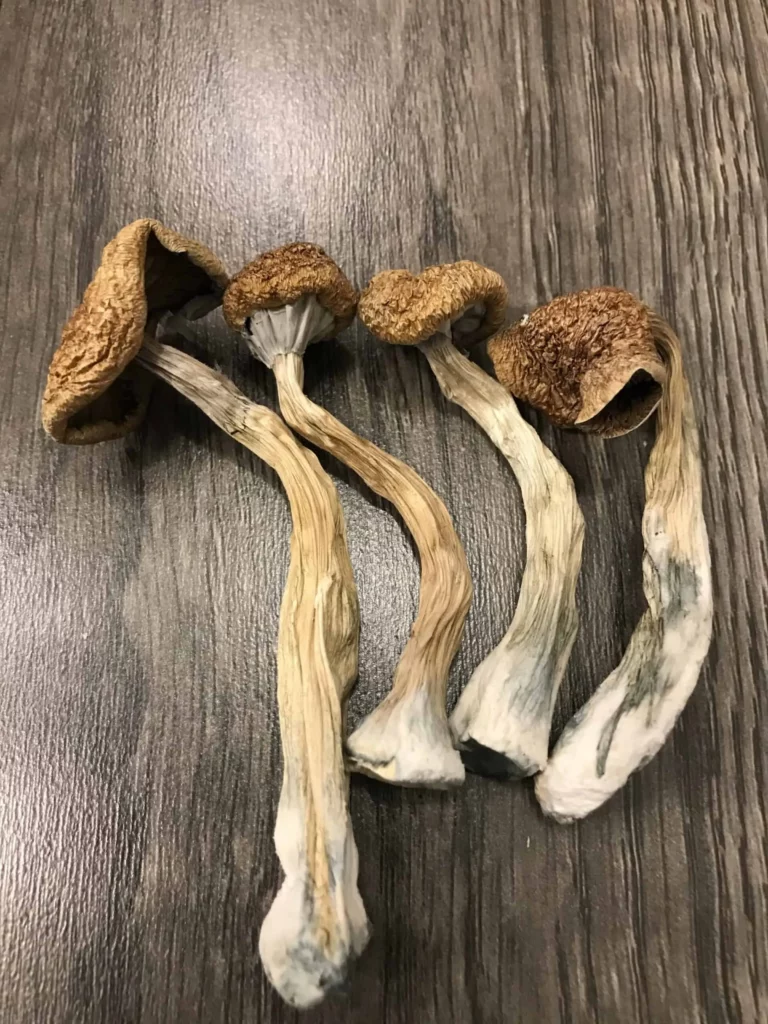
Psilocybin in the United States: An Evolving Landscape
Psilocybin, the naturally occurring psychedelic compound found in certain mushroom species, continues to gain attention across the United States. Researchers, policymakers, and consumers are increasingly discussing its potential therapeutic applications, legal reforms, and safety considerations.
As public interest grows, it’s important to understand the legal environment, ongoing medical research, and responsible education surrounding psilocybin.
What Is Psilocybin?
Psilocybin is a naturally occurring psychedelic compound that can affect perception, mood, and cognition. It has been studied for potential mental health applications, including research related to depression, PTSD, anxiety, and addiction treatment.
While research continues to expand, psilocybin remains federally regulated in the United States, though several states and municipalities have introduced decriminalization or supervised therapeutic frameworks.
Is Psilocybin Legal in the U.S.?
The legality of psilocybin varies depending on federal, state, and local laws.
Federal Status
At the federal level, psilocybin remains classified as a controlled substance in the United States.
State and Local Changes
Some states and cities have introduced reforms related to:
- Decriminalization
- Supervised therapeutic use
- Research initiatives
- Medical access programs
Because regulations change frequently, consumers should always review current local laws before making decisions related to psilocybin products or services.
Why Consumer Education Matters
As interest in psychedelic wellness grows, so does misinformation online. Consumers should prioritize education, transparency, and safety awareness when researching psychedelic topics.
Important factors include:
- Understanding local laws
- Reviewing scientific research carefully
- Avoiding misleading health claims
- Being cautious of unverified online sources
- Prioritizing personal health and mental well-being
Current Research on Psilocybin
Universities and medical institutions continue studying psilocybin for potential therapeutic applications. Early clinical research has explored its role in:
- Treatment-resistant depression
- Anxiety associated with serious illness
- PTSD research
- Substance use disorders
However, experts emphasize that more long-term studies are still needed before widespread medical conclusions can be made.
Safety Considerations
Psilocybin may not be appropriate for everyone. Individuals with certain mental health conditions or those taking specific medications should consult licensed healthcare professionals before considering any psychedelic-related therapy or research participation.
General safety recommendations include:
- Staying informed about legal regulations
- Avoiding unverified products
- Being cautious of exaggerated marketing claims
- Seeking professional medical guidance when appropriate
The Future of Psilocybin Policy
The conversation around psilocybin in America continues to evolve rapidly. Legislative reforms, clinical trials, and public education initiatives are shaping the future of psychedelic policy and mental health research.
As scientific understanding develops, consumers should rely on credible information sources and stay updated on changing regulations in their state.
Final Thoughts
Psilocybin remains one of the most discussed emerging topics in mental health and wellness research. While interest continues to grow, understanding legality, safety, and scientific evidence is essential for responsible decision-making.
Staying informed through reputable educational resources can help consumers navigate the changing psychedelic landscape responsibly and legally.
Learn more through our educational resources at Magic Mushroom Delivery Shop.”
No Responses