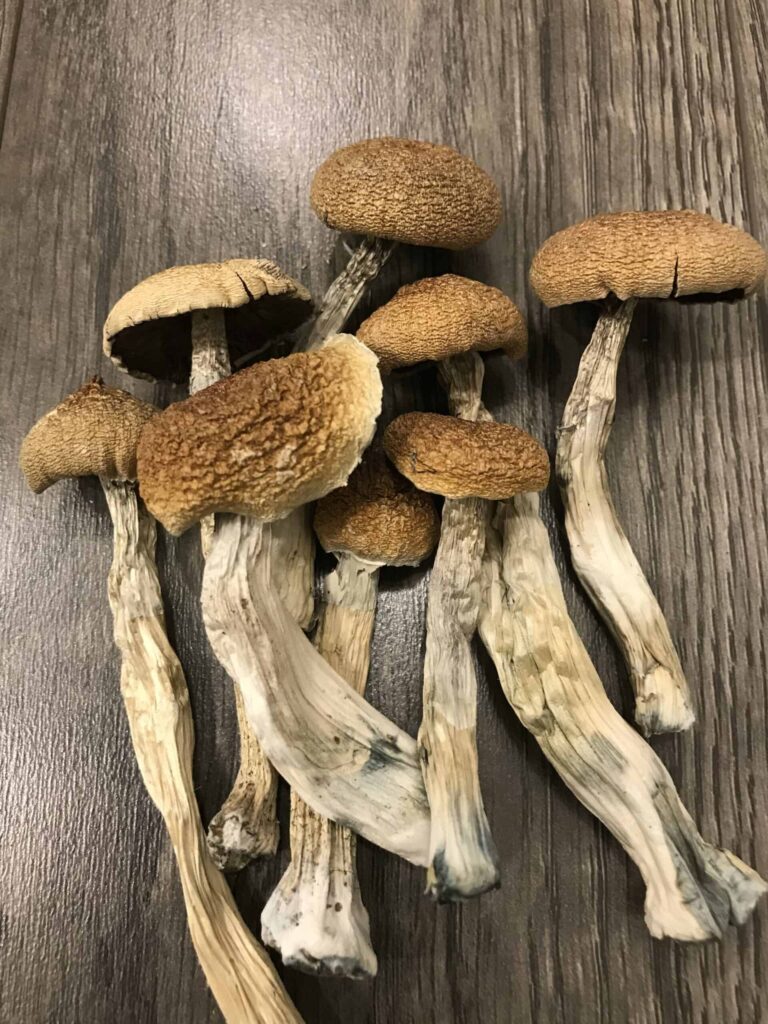
The Legal Status of Magic Mushrooms in the United States (2026 Guide)
URL suggestion: https://magicmushroomdelivery.us/shop/legal-status-magic-mushrooms-usa
Meta Title: Are Magic Mushrooms Legal in the U.S.? State-by-State Overview (2026)
Meta Description: Learn where magic mushrooms are legal, decriminalized, or restricted in the United States. Understand current laws, safety considerations, and what you should know before exploring psilocybin.
Introduction
Interest in magic mushrooms has grown significantly in recent years. As research into psilocybin expands and laws begin to shift, many Americans are asking: Are magic mushrooms legal in the United States?
In this guide, we break down the current legal landscape, explain how regulations differ by state, and discuss important safety considerations.
Are Magic Mushrooms Legal at the Federal Level?
At the federal level, psilocybin—the psychoactive compound in magic mushrooms—is classified as a Schedule I substance under the Controlled Substances Act. This means it is considered illegal for general possession, sale, and distribution.
However, federal law is only part of the story. State and local policies are evolving rapidly.
States and Cities with Decriminalization or Legal Access
In recent years, several jurisdictions have taken steps toward decriminalization or regulated therapeutic access.
Oregon
Oregon became the first state to legalize supervised psilocybin services through a regulated program. Licensed service centers operate under strict guidelines.
Colorado
Colorado voters approved measures to decriminalize personal use and begin establishing a regulated framework for psychedelic services.
Local Decriminalization
Several cities have deprioritized enforcement of laws against psilocybin possession. Policies vary, and decriminalization does not always mean full legalization.
⚠️ Important: Laws change frequently. Always verify the current regulations in your state or municipality before making decisions.
What Does “Decriminalized” Mean?
Decriminalization does not mean fully legal. It typically means:
- Law enforcement treats possession as a low priority
- Penalties may be reduced
- Commercial sales may still be illegal
- Regulations can vary widely by location
Understanding the distinction between decriminalization and legalization is crucial.
Safety and Responsible Considerations
If you are researching magic mushrooms, consider the following:
1. Understand the Law
Know your local and state regulations. Legal consequences can vary significantly.
2. Be Aware of Health Risks
Psilocybin affects perception, mood, and cognition. It may not be suitable for individuals with certain mental health conditions.
3. Research Ongoing Clinical Studies
Universities and medical institutions continue to study psilocybin’s potential therapeutic applications. Clinical trials are a legal avenue for participation in some areas.
4. Avoid Unregulated Products
Unverified products can pose safety risks due to contamination or incorrect dosing.
The Future of Psilocybin in the U.S.
Public opinion and scientific research are influencing policy discussions nationwide. Lawmakers in multiple states are evaluating frameworks for therapeutic or supervised access.
While federal legalization has not occurred, the national conversation continues to evolve.
Frequently Asked Questions
Are magic mushrooms legal in the United States?
At the federal level, they remain illegal. Some states and cities have decriminalized or created regulated programs.
Can you legally purchase psilocybin online?
Federal law prohibits the sale and distribution of psilocybin outside approved research or state-regulated programs.
Are clinical trials an option?
Yes, some research institutions conduct approved clinical studies. Check official trial registries for eligibility.
Final Thoughts
The legal status of magic mushrooms in the United States is complex and changing. Anyone interested in psilocybin should stay informed, understand local laws, and prioritize safety.
As legislation evolves, staying educated is the best way to make responsible decisions.
No Responses