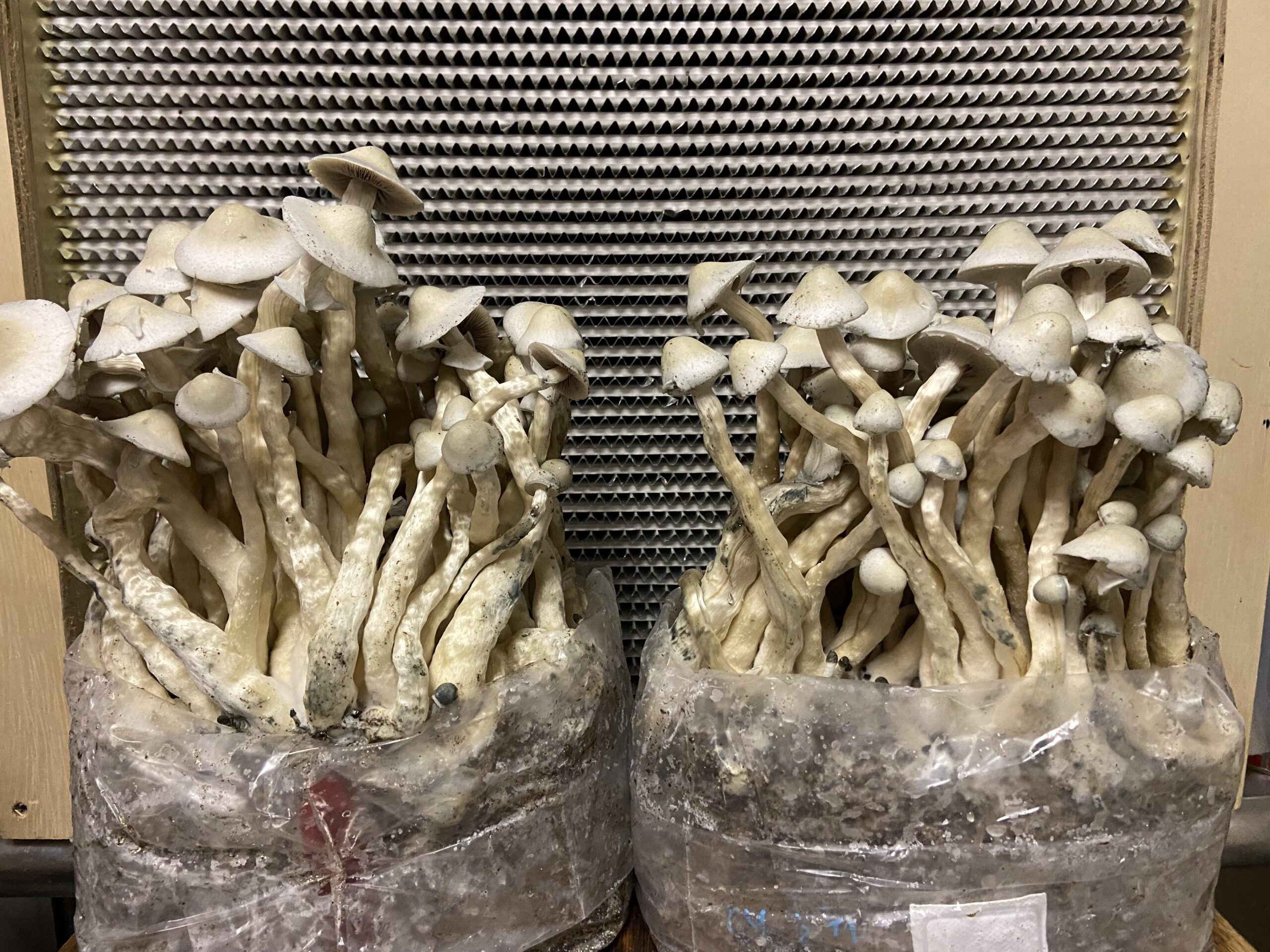
Introduction
This guide explores what psilocybin is, how it works, current research findings, potential risks, and the legal status of psilocybin in the United States.
What Is Psilocybin?
Psilocybin is a psychoactive compound that can produce changes in perception, mood, and cognition. After consumption, the body converts psilocybin into psilocin, which interacts with serotonin receptors in the brain.
Users may report experiences such as:
- Altered perception of time
- Enhanced sensory awareness
- Changes in thought patterns
- Emotional shifts
- Visual or auditory distortions
Effects can vary significantly depending on dosage, environment, individual health factors, and psychological state.
Current Scientific Research
Researchers continue to investigate whether psilocybin-assisted therapy may help certain mental health conditions. Areas of ongoing study include:
Depression
Several clinical studies have explored psilocybin-assisted therapy for treatment-resistant depression and major depressive disorder.
Anxiety
Researchers are studying whether supervised psilocybin therapy may help reduce anxiety in certain clinical settings.
PTSD and Trauma
Early-stage research is examining how psychedelic-assisted therapies could support individuals experiencing trauma-related symptoms.
Addiction Treatment
Scientists are also investigating potential applications in smoking cessation and substance-use treatment programs.
While results are promising, researchers emphasize that more studies are needed before broad medical adoption.
Potential Risks and Side Effects
Psilocybin is not risk-free. Potential side effects may include:
- Anxiety or panic
- Confusion
- Increased heart rate
- Nausea
- Distressing psychological experiences
- Impaired judgment during intoxication
Individuals with certain mental health conditions may face additional risks. Anyone considering treatment involving psychedelics should consult qualified healthcare professionals.
Legal Status in the United States
Psilocybin remains federally illegal in the United States. However, state and local laws continue to evolve.
Some jurisdictions have implemented decriminalization measures, while others have established regulated therapeutic programs. Legal requirements differ significantly by location and can change over time.
Always verify current laws through official government sources before making decisions related to possession, use, or participation in therapeutic programs.
The Future of Psilocybin Research
Interest in psychedelic science continues to grow. Universities, medical institutions, and researchers are conducting studies to better understand the benefits, limitations, and safety considerations of psilocybin-assisted therapies.
Future developments may influence healthcare practices, public policy, and scientific understanding of psychedelic compounds.
Conclusion
Psilocybin remains an important area of scientific research and public discussion. While studies continue to explore potential therapeutic applications, understanding the risks, legal considerations, and current evidence is essential for anyone interested in this evolving field.
As research advances, new insights may help shape future approaches to mental health treatment and psychedelic medicine.
No Responses