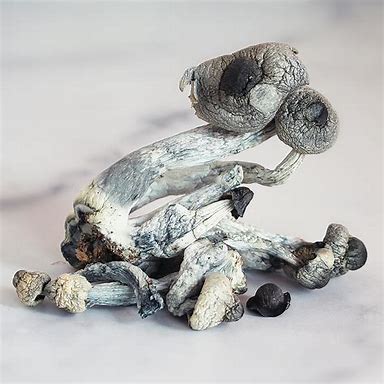
Canonical URL: Magic Mushroom Delivery USA Shop
U.S. States Leading the Way in Legal Magic Mushroom Purchases
The conversation around psychedelics has changed dramatically across the United States. Once considered taboo, psilocybin mushrooms — commonly known as magic mushrooms — are now part of mainstream discussions about wellness, mental health, and alternative therapies.
As legalization efforts expand, several U.S. states are emerging as leaders in legal magic mushroom purchases. Consumers are increasingly interested in regulated access, quality products, and safe purchasing options.
In this article, we explore the states leading the movement, the reasons behind their growth, and what this means for the future of the psychedelic industry.
Why Legal Magic Mushroom Purchases Are Increasing
Interest in psilocybin has surged due to growing scientific research and changing public attitudes. Studies from respected institutions have highlighted psilocybin’s potential in areas such as:
- Anxiety relief
- Depression treatment
- PTSD support
- Addiction recovery
- Personal wellness and mindfulness
As regulations become more relaxed, consumers are seeking trusted and legal sources for psilocybin products.
This has created rapid growth in states where legal frameworks support psychedelic access.
1. Oregon: America’s Psilocybin Pioneer
Oregon was the first U.S. state to legalize supervised psilocybin services through Measure 109.
The state now operates licensed psilocybin service centers where adults can legally access psilocybin under professional supervision.
Why Oregon Leads
- First regulated statewide psilocybin program
- Strong public support for psychedelic therapy
- Growing network of licensed service providers
- Increased tourism related to wellness experiences
Oregon continues to set the standard for safe and legal psilocybin access in the United States.
2. Colorado: Rapid Expansion of Psychedelic Reform
Colorado has quickly become another major player in the legal psilocybin movement.
After voters approved the Natural Medicine Health Act, the state moved toward regulated access for natural psychedelics, including psilocybin mushrooms.
Why Colorado Is Growing Fast
- Progressive cannabis and psychedelic policies
- High consumer interest in alternative wellness
- Expanding education around psychedelic therapy
- Strong startup and wellness communities
Colorado is expected to become one of the largest legal psilocybin markets in the country over the next few years.
3. California: Massive Consumer Interest Despite Legal Limits
California remains one of the most influential psychedelic markets, even though statewide legalization is still developing.
Cities such as Oakland and San Francisco have already deprioritized enforcement against natural psychedelics.
Why California Matters
- Large wellness-focused population
- Strong psychedelic advocacy movement
- Major investment in mental health innovation
- High demand for alternative therapies
California’s size and influence make it one of the most important states to watch in the psychedelic industry.
4. Washington: Emerging Psilocybin Market
Washington is increasingly becoming part of the legal psychedelic conversation.
Seattle has already moved toward decriminalization policies, while state lawmakers continue discussing broader reforms.
Key Growth Factors
- Strong support for mental health innovation
- Expanding wellness communities
- Increased public education about psychedelics
- Growing consumer demand
Washington could follow Oregon’s model in the near future.
5. New York: Rising Demand for Psychedelic Wellness
New York is seeing rising interest in psychedelic-assisted therapy and natural wellness products.
Although statewide legalization has not fully arrived, public support and legislative conversations continue to grow.
Why New York Is Important
- Large urban consumer base
- Strong mental health advocacy
- Increased awareness of psilocybin research
- Rapid growth in wellness trends
New York’s influence could significantly shape future East Coast psychedelic policies.
Consumer Trends Driving Legal Psilocybin Purchases
Several key trends are fueling growth across these leading states.
1. Mental Health Awareness
Consumers are looking for alternatives to traditional treatments. Psilocybin therapy is increasingly viewed as a promising option for emotional wellness and personal growth.
2. Wellness Culture
The modern wellness movement has expanded beyond fitness and nutrition. Many consumers now explore mindfulness, spiritual development, and natural healing methods.
3. Increased Scientific Research
Clinical studies continue to build credibility around psilocybin’s therapeutic potential.
4. Demand for Safer Access
Legal frameworks provide safer purchasing experiences, product quality standards, and professional guidance.
The Future of Legal Magic Mushroom Purchases
The legal psilocybin industry is still in its early stages, but momentum continues to grow.
Experts expect additional states to explore:
- Decriminalization policies
- Regulated therapeutic programs
- Licensed psilocybin service centers
- Expanded medical research initiatives
As public perception evolves, legal access to psilocybin products may become more common nationwide.
Choosing Trusted Sources for Psilocybin Products
As interest in magic mushrooms grows, consumers should prioritize:
- Product transparency
- Reliable sourcing
- Accurate dosage information
- Quality testing standards
- Trusted online platforms
For those exploring legal mushroom products and related wellness options, visit:
Magic Mushroom Delivery USA Shop
Final Thoughts
The U.S. psychedelic landscape is changing rapidly. States like Oregon and Colorado are leading the way, while California, Washington, and New York continue pushing the conversation forward.
As legalization expands and public interest increases, legal magic mushroom purchases are expected to become a major part of the future wellness economy.
Consumers seeking safe, informed, and responsible access to psilocybin products should stay updated on evolving state laws and purchase only from trusted sources.
No Responses