Introduction
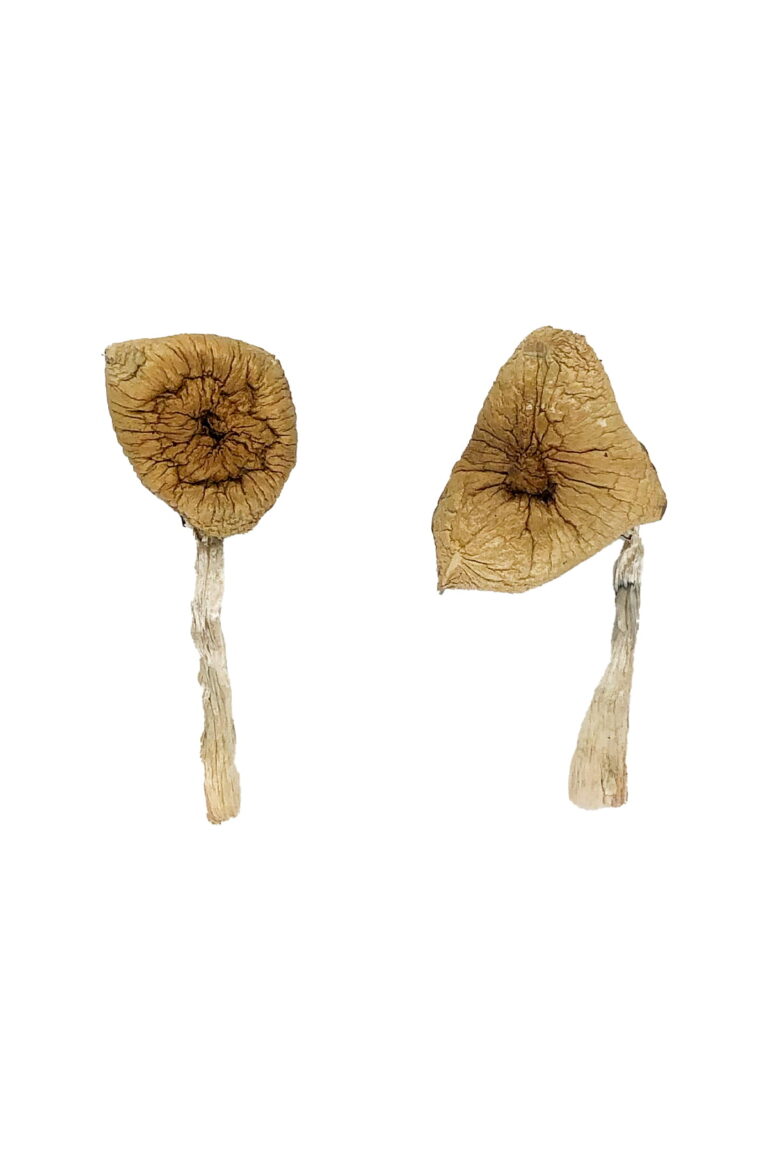
Interest in psilocybin—commonly known as “magic mushrooms”—has grown significantly in recent years due to increasing research into its potential therapeutic benefits. As conversations around mental health, depression treatment, and psychedelic-assisted therapy expand, many people search online for terms like “magic mushroom delivery in the United States.”
However, the reality is more complex. While public interest is rising, psilocybin remains a federally controlled substance in the United States, and its sale, possession, and distribution are generally illegal outside of approved research or regulated therapeutic programs.
This article breaks down the legal landscape, emerging regulated systems, and important safety considerations surrounding psilocybin access in the U.S.
Are Magic Mushrooms Legal in the United States?
At the federal level, psilocybin is classified as a Schedule I controlled substance under the Controlled Substances Act. This means it is considered to have:
- A high potential for abuse
- No currently accepted medical use under federal law
- A lack of accepted safety under medical supervision (as defined federally)
Because of this classification, commercial “magic mushroom delivery services” are not legally recognized in the United States under federal law.
However, there is a growing patchwork of local reforms that change how psilocybin is treated in certain jurisdictions.
States and Cities Moving Toward Decriminalization
While psilocybin remains illegal federally, several U.S. cities and states have reduced enforcement or decriminalized possession to varying degrees:
Oregon – Regulated Psilocybin Services
Oregon is the first U.S. state to create a legal, regulated psilocybin services program. Under this system:
- Psilocybin is administered in licensed service centers
- Sessions are supervised by trained facilitators
- It is not sold for take-home recreational use
- It is not a delivery-based system
This is currently the closest legal framework to structured access in the U.S.
Colorado – Regulated Natural Medicine Framework
Colorado has moved toward a regulated framework for natural psychedelics, including psilocybin, focusing on supervised therapeutic use rather than retail sales or delivery.
Cities with Decriminalization Measures
Some cities have decriminalized enforcement priorities, including:
- Denver, Colorado
- Oakland, California
- Santa Cruz, California
- Seattle, Washington (policy reform focused on low enforcement priority)
- Washington, D.C. (limited decriminalization efforts)
Decriminalization does not equal legalization. It typically means law enforcement deprioritizes personal possession cases rather than regulating sales or distribution.
Why “Magic Mushroom Delivery” Online Can Be Misleading
Search results and online advertisements sometimes reference “magic mushroom delivery,” but it is important to understand:
- There is no federally legal delivery system for psilocybin mushrooms in the United States
- Many claims online may be misleading, unregulated, or illegal
- Products offered outside regulated systems are not tested or quality-controlled
- Consumers may face legal risks depending on location
Because of the growing interest in psychedelics, the term “delivery” is often used loosely in online spaces, but it does not reflect a legal commercial infrastructure in most jurisdictions.
Medical Research and Therapeutic Use of Psilocybin
One of the most significant drivers of psilocybin interest is ongoing clinical research. Studies have explored its potential for:
- Treatment-resistant depression
- PTSD (post-traumatic stress disorder)
- End-of-life anxiety
- Substance use disorders
Early results from clinical trials have shown promising outcomes, leading to increased attention from researchers and policymakers.
However, these treatments are conducted in controlled clinical or licensed therapeutic environments, not through consumer retail systems.
Safety and Health Considerations
Psilocybin affects perception, mood, and cognition, and its effects can vary widely depending on:
- Dosage
- Environment (“set and setting”)
- Individual mental health history
- Substance interactions
Potential risks include:
- Anxiety or panic reactions
- Confusion or disorientation
- Worsening of underlying mental health conditions in some cases
- Legal consequences in unauthorized settings
Anyone interested in psychedelic experiences in legal jurisdictions should prioritize regulated, supervised environments where available.
The Future of Psilocybin Regulation in the U.S.
The regulatory landscape around psychedelics is rapidly evolving. Over the next decade, we may see:
- Expansion of state-regulated therapeutic programs
- Increased FDA-approved psychedelic-assisted therapies
- Broader medical integration of psilocybin treatments
- Continued debate over federal reclassification
While full legalization is not currently in place, momentum toward medical and therapeutic acceptance is growing.
Conclusion
While searches for “magic mushroom delivery in the United States” are increasingly common, it is important to understand that psilocybin remains a controlled substance under federal law, and no legal nationwide delivery system exists.
Instead, access is currently limited to:
- Regulated therapeutic programs (such as in Oregon)
- Clinical research trials
- Limited decriminalization policies in certain cities
As laws continue to evolve, the focus is shifting from recreational access toward structured, medically supervised use.
For now, anyone interested in psilocybin should stay informed about local laws and prioritize legal and evidence-based pathways.
No Responses