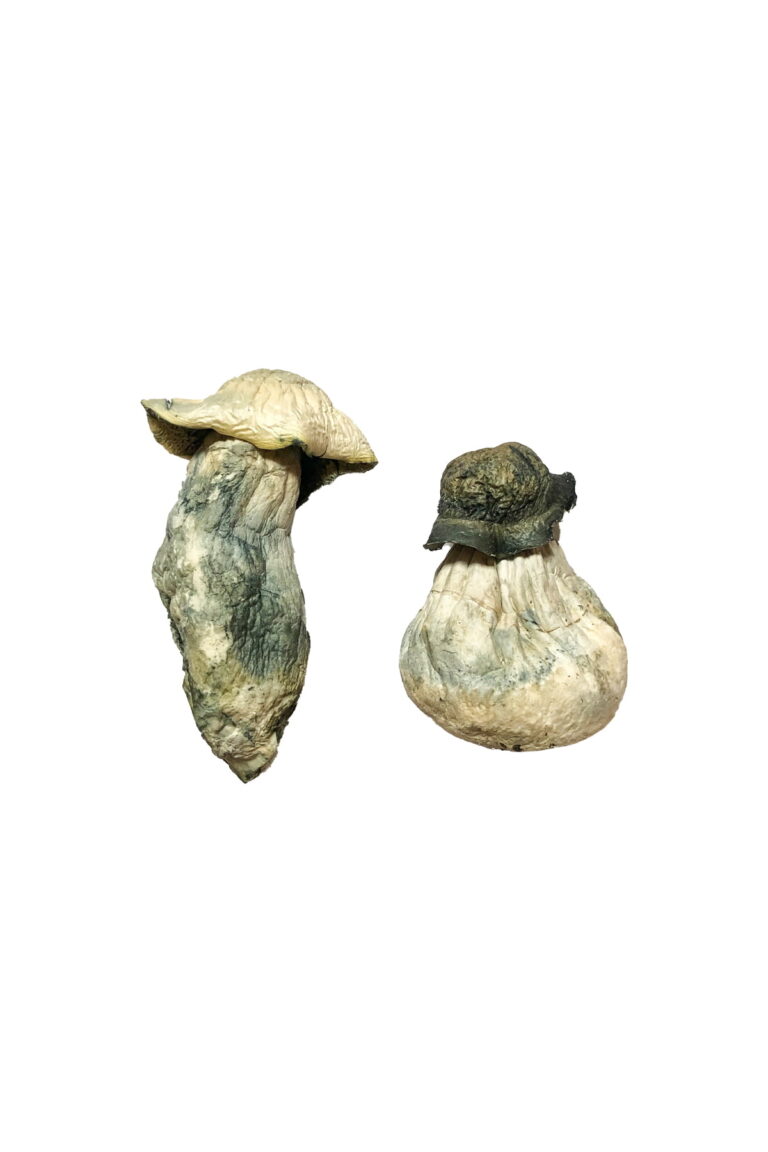
As interest in the therapeutic potential of psychedelics grows, magic mushrooms, known for their active compound psilocybin, have emerged as a focal point in discussions about mental health treatment and personal exploration. In recent years, several U.S. states have taken significant steps towards legalizing or decriminalizing the sale and use of these mushrooms, reflecting a shift in public opinion and policy. This article explores the current legal landscape surrounding magic mushrooms in the United States, highlighting states where they are sold legally, the ongoing decriminalization efforts, and the implications for both recreational and medicinal use.
Overview of Magic Mushrooms and Their Effects
Understanding Psilocybin and Its Properties
Magic mushrooms, or psilocybin mushrooms, are fungi that contain the psychoactive compound psilocybin, which the body converts to psilocin—its active form. These little caps of wonder can trigger a range of experiences, from profound insights to a good chuckle or two. Users often report altered perceptions of time, enhanced sensory experiences, and vivid hallucinations. It’s like opening your mind’s GIF folder—suddenly, everything is animated, and you’re seeing stars (literally and metaphorically).
Potential Benefits and Risks
While psilocybin has shown promise in alleviating conditions like depression, anxiety, and PTSD, it doesn’t come without its quirks. The potential benefits are enticing, leading some researchers to dub it the “next big thing” in mental health treatment. However, it can also lead to anxiety, confusion, or a really bad trip, making it essential to approach these mushrooms like you would approach a loaded potato skin—carefully and with the right intent.
Legal Status of Magic Mushrooms in the U.S.
Historical Context of Psilocybin Legislation
The journey of psilocybin through the legal maze has been a wild ride. Once hailed in ancient cultures as a sacred tool for spiritual exploration, magic mushrooms fell victim to the War on Drugs in the 1970s. A swift ban swept across the nation, lumping psilocybin in with other “dangerous” substances. Fast forward to recent years, and there’s been a renaissance of interest in both research and policy, as more folks are questioning the one-size-fits-all approach to drugs.
Current Federal Regulations
Currently, psilocybin is classified as a Schedule I substance at the federal level, which means the government considers it to have no medical use and a high potential for abuse. But if we’ve learned anything from watching political dramas, it’s that regulations can change faster than you can say “where’s my magic mushroom tea?” Some states and localities are carving out their own paths, leading to a patchwork of laws that makes your state’s traffic rules look straightforward.
States with Decriminalization Efforts
Overview of Decriminalization Movements
Across the U.S., a wave of decriminalization movements is brewing, like a pot of strong coffee on a Monday morning. Activists argue that personal use of psilocybin should be a matter of personal choice rather than a criminal offense. Some cities have started to treat magic mushrooms like a light infraction—almost like forgetting to return a library book (but potentially more enlightening).
States Leading the Charge
Oregon was the trailblazer when it became the first state to legalize psilocybin for therapeutic use. Following in its footsteps, cities like Denver and Oakland have decriminalized psilocybin mushrooms, paving the way for more states to consider similar measures. If mushrooms were trending on social media, they’d be going viral, with supporters clamoring for a chance to partake in this “nature’s therapy.”
States Where Magic Mushrooms Are Fully Legal
Case Studies: Oregon and Colorado
In Oregon, psilocybin is now fully legal for therapeutic use, requiring trained facilitators to guide users through their mushroom experiences. This structured approach is intended to help people while minimizing risks—think of it as pairing a fine wine with the perfect cheese, but instead, you’ve got psilocybin and a supportive coach. Meanwhile, Colorado is experimenting with a similar path, and if it goes well, it might just open the floodgates for more magic mushroom adventures across the nation.
Comparison of State Laws
When comparing state laws, it’s clear that not all mushrooms are created equal (sorry, portobellos). Oregon’s approach is comprehensive with a regulated system, while Colorado is still figuring out its legal framework. Other states remain in decriminalization limbo, with psilocybin nice and cozy in the gray area. As we keep our eyes peeled for further changes, it’s exciting to see how these laws evolve—because who wouldn’t want a little magic in their life, legally?
The Role of Medical and Therapeutic Use
Clinical Research and Findings
Recent clinical research has propelled magic mushrooms from the fringes of herbal remedies to the center stage of medical intrigue. Studies have shown that psilocybin, the active compound in these fungi, can significantly alleviate symptoms of depression, anxiety, and PTSD. In randomized clinical trials, participants taking psilocybin reported a profound sense of relief and a shift in perspective, often likened to the feeling of finding your favorite pair of socks after weeks of searching. It’s like your mind gets a deep-clean, and suddenly everything is more manageable. Science is finally catching up with the hippies!
Integration into Mental Health Treatment
As mental health struggles continue to climb on the worry-meter, the integration of psilocybin therapy into mainstream treatment is becoming increasingly plausible. Mental health professionals are starting to view magic mushrooms as more than just a party favor from the 60s; they’re being considered as a serious option for treating resistant cases. The therapeutic approach involves guided sessions where patients explore their inner thoughts and feelings in a supportive environment, with the magical mushrooms lending a hand (or stem, rather) to help illuminate the darker corners of their psyche. It’s like having a therapist who doubles as a magician—abracadabra, mental clarity!
Regulatory Framework for Sale and Distribution
Licensing and Permits Required
Navigating the legal landscape of magic mushrooms is akin to playing a game of Twister while blindfolded. States that allow the legal sale of psilocybin typically have a stringent framework in place requiring licenses and permits. Vendors must usually jump through a few hoops, including background checks, health inspections, and proving they’re not just trying to set up a counter at Coachella. Just think of it as the adult equivalent of showing your ID at the door of a nightclub—seriously, no one wants a rogue mushroom party!
Quality Control and Safety Standards
Just because you can buy magic mushrooms legally doesn’t mean you should have to gamble with quality. States implementing legal frameworks for psilocybin distribution also focus on quality control and safety standards. This means vendors must ensure that their products are free from contaminants and have consistent potency—nobody wants to accidentally turn a fun evening into a weekend-long existential crisis. Expect lab testing and certification processes to be the norm, letting you rest assured that your mushrooms are both magical and safe enough to have at your next dinner party.
Public Opinion and Cultural Acceptance
Shifting Perspectives on Psychedelics
Public opinion on psychedelics has undergone a makeover that even the most ambitious reality show contestant would envy. Once relegated to the shadows of stigma and misunderstanding, magic mushrooms are now viewed by many as valid therapeutic alternatives. Polls show a growing acceptance, particularly among younger generations who are more open to exploring non-traditional healing methods. It’s a seismic shift, akin to swapping stale coffee for artisanal cold brew—everybody wants in on that goodness.
The Influence of Activism and Advocacy Groups
Activism surrounding the legalization of magic mushrooms has been a powerhouse, with various groups rallying for change like they’re trying to win a high-stakes game of tug-of-war. These advocacy groups—armed with research, testimonials, and the desire to help—have played a crucial role in altering perceptions. From organizing educational campaigns to lobbying for policy reforms, they’ve worked tirelessly to help the public see the benefits of these fungi. Think of them as the cheerleaders for shrooms, waving pom-poms of science and compassion to support a cause that could change the mental health narrative.
Future Trends in Legislation and Usage
Potential States for Future Legalization
As the magic mushroom movement continues to gain momentum, many are wondering which states might be next to hop on the bandwagon. With a growing body of supportive research and shifting public opinion, states like California, New York, and Texas are being eyed as potential front-runners. It seems likely that once a few dominoes fall, we might see rapid changes—like watching a game of Jenga at a party, but way more exciting and potentially life-changing.
Impact of Emerging Research on Policy Changes
The impact of emerging research on policy will be nothing short of seismic. As new studies continue to reveal the benefits of magic mushrooms, lawmakers will be forced to sit up and take notice—like a cat hearing a can opener. With every successful clinical trial and positive outcome, the argument for legalization grows stronger. It’s like a snowball rolling downhill, gathering momentum and size. As the evidence mounts, expect legislators to rethink outdated policies, ushering in a new era of acceptance and wellness brought to you by our favorite fungi.
As the conversation around magic mushrooms continues to evolve, the legal landscape across the United States is likely to undergo further changes. With more states considering the benefits of psilocybin for mental health and overall well-being, it’s clear that the movement towards legalization and decriminalization is gaining momentum. As we move forward, it will be important to stay informed about developments in legislation and the impact of these changes on society. Whether for therapeutic use or personal exploration, magic mushrooms are becoming an increasingly prominent part of the discourse on health and wellness.
Frequently Asked Questions
1. Are magic mushrooms legal in the entire United States?
No, magic mushrooms are not legal in the entire United States. Their legality varies by state, with some states having decriminalized their use and others allowing it for medicinal purposes.
2. What states currently allow the sale of magic mushrooms?
As of now, states like Oregon and Colorado have fully legalized the sale of magic mushrooms, while other states have implemented decriminalization measures.
3. What is the difference between decriminalization and legalization of magic mushrooms?
Decriminalization means that possession and use of magic mushrooms are not prosecuted as criminal offenses, while legalization allows for regulated sale and use under specific laws.
4. Can magic mushrooms be used for therapeutic purposes?
Yes, emerging research suggests that psilocybin, the active compound in magic mushrooms, may have therapeutic benefits for conditions such as depression, anxiety, and PTSD, leading to their inclusion in some medical treatment programs.
No Responses