How Psychedelic Policy Is Changing in the United States (2026 Guide)
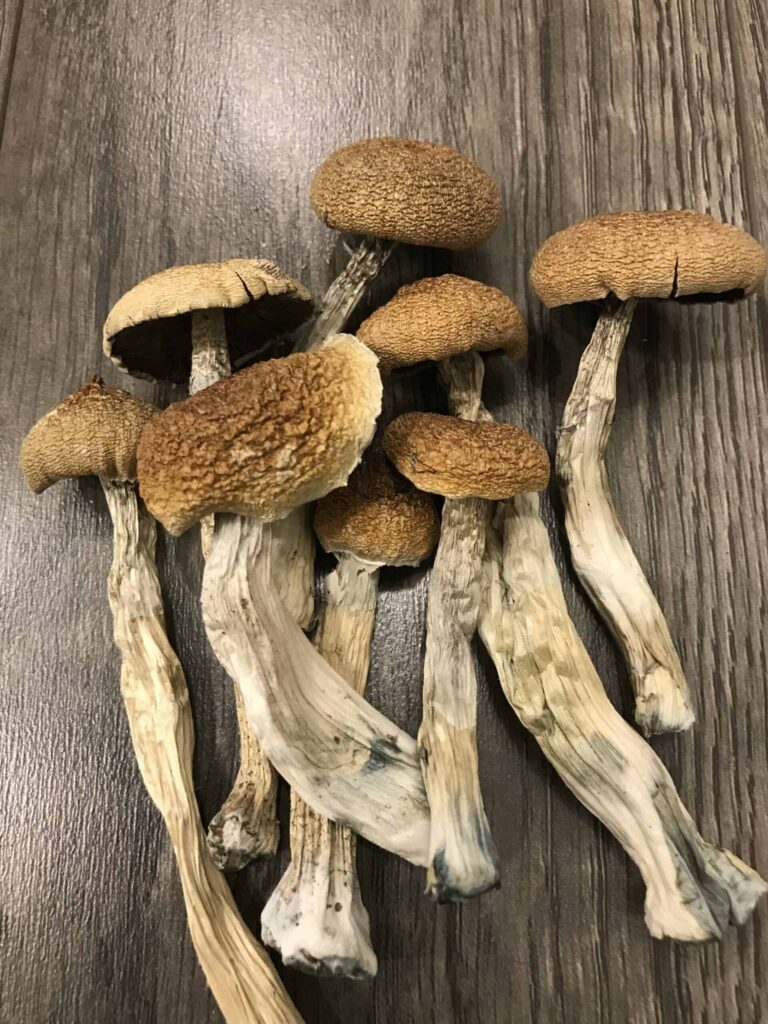
The legal landscape surrounding psychedelics in the United States is evolving rapidly. Substances like psilocybin (magic mushrooms), MDMA, and ibogaine—once strictly prohibited—are now being reconsidered by lawmakers, researchers, and healthcare professionals.
In recent years, several states have legalized or decriminalized psychedelics, while many others are exploring new legislation and research programs. This shift reflects growing interest in the therapeutic potential of psychedelics for mental health conditions, including depression, PTSD, addiction, and end-of-life anxiety.
In this article, we’ll explore how psychedelic policy is changing across the U.S., which states are leading the movement, and what the future might hold.
The Federal Status of Psychedelics in the United States
At the federal level, most psychedelics—including psilocybin—remain classified as Schedule I substances under the Controlled Substances Act. This means the federal government considers them to have:
- A high potential for abuse
- No currently accepted medical use
- A lack of accepted safety for use under medical supervision
Because of this classification, psychedelic substances remain illegal under federal law, even if certain states allow regulated use or decriminalization.
However, federal restrictions have not stopped states from experimenting with new policies, particularly around medical therapy and research.
Oregon: The First State to Legalize Psilocybin Therapy
Oregon became the first state in the U.S. to legalize supervised psilocybin therapy when voters approved Measure 109 in 2020.
The program officially launched in 2023 and allows adults aged 21 and older to participate in guided psilocybin sessions at licensed service centers with trained facilitators.
Key features of Oregon’s system include:
- Licensed psilocybin service centers
- State-trained facilitators
- Licensed cultivation and testing facilities
- Regulated supervised sessions
Sessions in Oregon typically cost between $400 and $3,000, depending on dosage and the type of session.
Oregon’s model has become a blueprint for other states exploring psychedelic policy reform.
Colorado Expands Psychedelic Legalization
Colorado became the second state to legalize psilocybin access after voters approved the Natural Medicine Health Act (Proposition 122) in 2022.
This law:
- Decriminalizes possession of natural psychedelics for adults 21+
- Allows regulated “healing centers” for psychedelic therapy
- Includes substances like psilocybin, DMT, mescaline (excluding peyote), and ibogaine.
Colorado began opening licensed healing centers in 2025, marking a major milestone in regulated psychedelic therapy.
Compared with Oregon, Colorado’s policy is broader because it decriminalizes several psychedelic substances—not just psilocybin.
New Mexico Joins the Psychedelic Reform Movement
In April 2025, New Mexico passed the Medical Psilocybin Act, becoming the third state to create a statewide psilocybin therapy program.
The law establishes:
- A regulated medical psilocybin treatment program
- Licensed healthcare providers administering therapy
- A state advisory board to guide implementation.
Unlike Oregon and Colorado, New Mexico’s system is expected to operate as a medical model, meaning patients may need a qualifying condition or physician involvement to access treatment.
Cities and Local Governments Are Decriminalizing Psychedelics
Even in states where psychedelics remain illegal, some cities have taken steps to decriminalize plant-based psychedelics.
Examples include:
- Oakland, California
- Santa Cruz, California
- Seattle, Washington
- Ann Arbor, Michigan
- Washington D.C.
In these jurisdictions, personal possession and use of entheogenic plants and fungi are typically made the lowest law-enforcement priority.
While this does not create a legal market, it reduces criminal penalties and signals shifting attitudes toward psychedelics.
Psychedelic Research Is Expanding Nationwide
Scientific research is also driving policy change. Universities, healthcare institutions, and governments are investing in studies exploring psychedelic-assisted therapy.
For example:
- Texas has allocated $50 million for research into ibogaine as a treatment for addiction and brain trauma.
- Universities across the U.S. are conducting clinical trials on psilocybin and MDMA for PTSD, depression, and addiction.
These studies could play a critical role in shaping future federal and state policies.
More States Are Considering Psychedelic Reform
Across the U.S., lawmakers are actively debating psychedelic legislation.
Nearly 30 states have introduced or considered bills related to psychedelics, focusing on areas such as:
- Medical therapy programs
- Research funding
- Decriminalization
- Regulated treatment centers.
Examples include:
- New York exploring psilocybin therapy legalization
- Arizona proposing advisory boards and treatment programs
- Maine considering a regulated psilocybin services model.
This growing momentum suggests psychedelic policy reform may continue expanding over the next decade.
Why Psychedelic Policy Is Changing
Several factors are driving the shift in psychedelic laws:
1. Mental Health Crisis
Rates of depression, PTSD, and addiction have risen sharply in recent years. Psychedelic-assisted therapy is being studied as a potential alternative treatment.
2. Promising Clinical Research
Studies suggest substances like psilocybin may help treat conditions such as:
- Treatment-resistant depression
- PTSD
- Substance use disorders
- End-of-life anxiety.
3. Public Opinion Is Changing
As awareness grows, public support for psychedelic therapy and decriminalization is increasing.
4. State-Level Policy Innovation
States often act as “policy laboratories,” experimenting with new approaches before federal reform occurs.
The Future of Psychedelic Policy in the U.S.
While psychedelics remain illegal at the federal level, the overall trend is clear: policy is moving toward regulated therapeutic access rather than strict prohibition.
Possible future developments include:
- FDA approval of psychedelic-assisted therapies
- Expanded state-level legalization programs
- Federal rescheduling of certain psychedelic compounds
- Growth of licensed therapy centers.
If current momentum continues, the United States could see major changes to psychedelic policy within the next decade.
Final Thoughts
The United States is entering a new era of psychedelic policy reform. From Oregon’s supervised therapy model to Colorado’s broader legalization and New Mexico’s medical program, states are experimenting with new ways to regulate psychedelic substances responsibly.
For individuals interested in the evolving world of psilocybin and other psychedelics, staying informed about policy changes is essential as laws continue to evolve.
About Us
At Magic Mushroom Delivery, we stay up-to-date on the latest psychedelic news, research, and policy changes in the United States.
👉 Visit our website: https://magicmushroomdelivery.us
No Responses