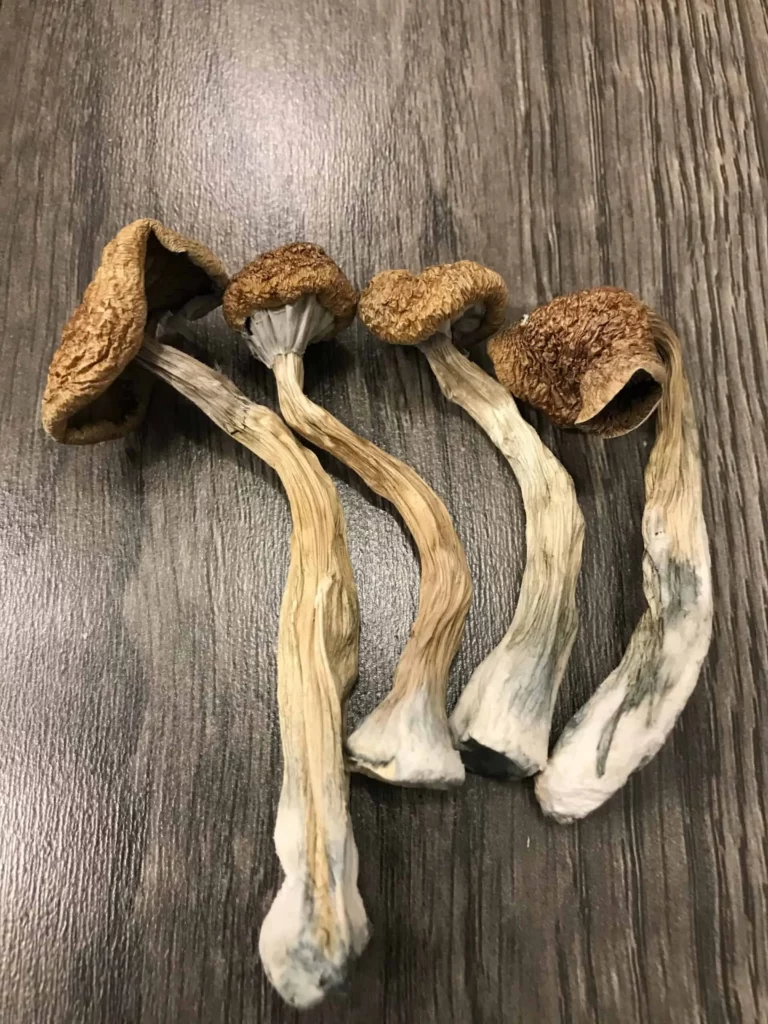
Magic Mushrooms in the U.S.: Legal Status, Safety, and What You Should Know
Psilocybin mushrooms, often called “magic mushrooms,” have gained significant attention in recent years. As research expands and laws change in certain states, many people are curious about their legal status, potential benefits, and risks.
If you’re exploring this topic, it’s important to understand the legal landscape and safety considerations before making any decisions.
What Are Magic Mushrooms?
Magic mushrooms contain psilocybin, a naturally occurring psychedelic compound. When consumed, psilocybin is converted into psilocin, which affects serotonin receptors in the brain.
Users report experiences such as:
- Altered perception of time and space
- Visual or sensory changes
- Emotional shifts
- Deep introspection
However, experiences vary widely depending on the person, environment, and dosage.
Are Magic Mushrooms Legal in the United States?
Under U.S. federal law, psilocybin is classified as a Schedule I substance. This means it is considered illegal at the federal level.
However, some states and cities have changed their approach.
States with Legal or Decriminalized Psilocybin
- Oregon – Regulated psilocybin services are legal under supervised programs.
- Colorado – Certain natural psychedelics have been decriminalized, with regulated access developing.
Some cities have also deprioritized enforcement, but this does not make possession or sale fully legal.
⚠️ Laws are constantly evolving. Always verify current local regulations before making any decisions.
Potential Benefits Being Studied
Clinical research institutions are currently studying psilocybin for possible therapeutic uses, including:
- Depression
- PTSD
- Anxiety related to serious illness
- Addiction treatment
Early studies show promising results in controlled, supervised environments. However, self-treatment without medical guidance carries significant risks.
Risks and Safety Considerations
Before considering any psychedelic substance, it’s important to understand the risks.
Psychological Risks
- Panic or anxiety attacks
- Confusion or paranoia
- Triggering underlying mental health conditions
Physical Risks
- Nausea
- Increased heart rate
- Headaches
Legal Risks
Because psilocybin remains illegal federally, possession, distribution, or cultivation can carry criminal penalties in many areas.
Why Education Matters
With increased public interest, misinformation is common. Understanding the science, legal status, and potential health impacts is essential.
If you’re researching magic mushrooms:
- Rely on credible medical sources
- Stay informed about state-specific laws
- Avoid assumptions based on online trends
- Consider professional medical advice
The Future of Psilocybin in the U.S.
The legal and medical landscape around psychedelics is changing quickly. Clinical trials continue, and policy discussions are ongoing across several states.
While some regions are moving toward regulated therapeutic models, broad recreational legalization is not currently the national standard.
Staying informed is the safest and most responsible approach.
Final Thoughts
Interest in magic mushrooms is growing across the United States. Whether your interest is educational, medical, or cultural, understanding the legal framework and safety considerations is critical.
As laws evolve, responsible awareness will remain essential.
No Responses