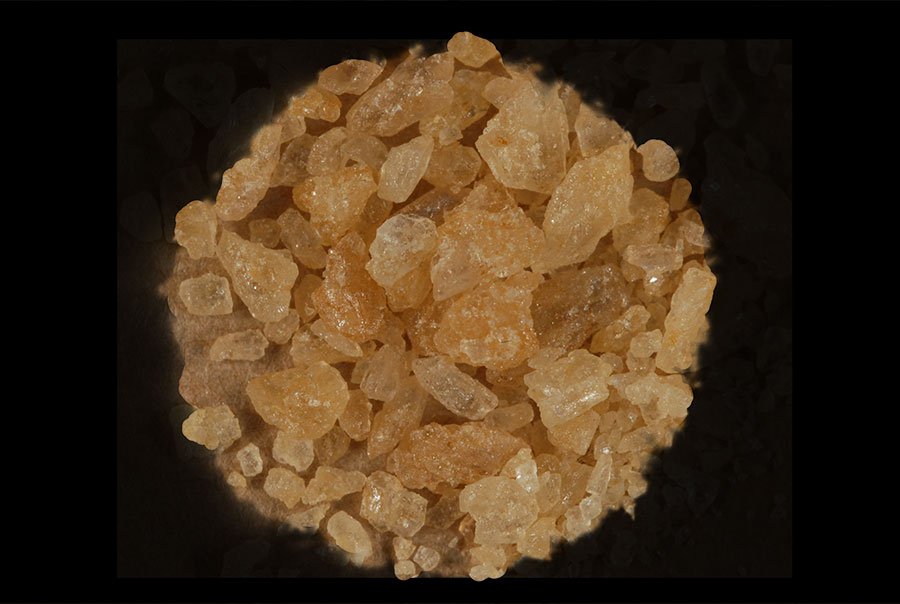
As the conversation around psychedelic substances continues to evolve, MDMA (3,4-methylenedioxymethamphetamine) has emerged as a focal point in the United States, both for its potential therapeutic benefits and its recreational use. Once relegated to underground rave culture, MDMA is now finding its way into mainstream discussions about mental health treatment, particularly in the context of PTSD and anxiety disorders. This article explores the landscape of MDMA shops in the U.S., examining the legal status, market trends, safety considerations, and community perspectives surrounding this complex substance. By understanding both the promise and the pitfalls of MDMA, consumers can navigate this burgeoning market with greater awareness and responsibility.
Overview of MDMA in the United States
History and Origin of MDMA
Current Popularity and Usage Trends
In recent years, MDMA has seen a fascinating resurgence in popularity, especially among younger crowds at music festivals and parties. It’s not just about the fun; many users report enhanced emotional connection and an overall sense of well-being. Interestingly, research into its therapeutic potential for PTSD and anxiety has sparked conversations about its legitimacy as a treatment option. Who knew that something once relegated to the underground might hold the key to better mental health? With its allure only growing, the popularity of MDMA shows no sign of fading anytime soon.
Legal Status and Regulations Surrounding MDMA
Federal Laws and Classifications
The federal government hasn’t exactly rolled out the welcome mat for MDMA. As a Schedule I controlled substance, this means the feds consider it to have a high potential for abuse and no accepted medical use. This classification places MDMA in the same league as heroin and LSD. But wait, there’s a twist! Research organizations are advocating for reclassification, especially with promising studies on its therapeutic effects. Perhaps the feds will reconsider—after all, who doesn’t love a good plot twist?
State-Specific Regulations
While Uncle Sam might have one set of rules, states often play by their own game. Some states have leaned toward more lenient approaches; for example, in places like Oregon, the conversation around decriminalization and therapeutic use is gaining traction. Others, however, remain staunchly opposed, enforcing harsh penalties for possession. It’s a patchwork of regulations out there, leaving users to navigate a maze as confusing as your friend’s Spotify playlist.
Proposed Changes to MDMA Legislation
As public perception shifts and more studies emerge touting the benefits of MDMA in therapy, conversations about legal reform are gaining momentum. Advocates are pushing for a reclassification of MDMA to allow for medical use and research, as evidenced by movements in various state legislatures. The winds of change may be blowing, and if enough people rally for it, we might just see MDMA step out of the legal shadows. Cue the hopeful music!
The Rise of MDMA Shops: Trends and Market Analysis
Emergence of Retail Outlets
MDMA shops are popping up like mushrooms after a rainstorm, catering to the growing demand for legal, high-quality products. These shops have become the new go-to spots, offering everything from capsules to flavored powders, typically marketed for their purity and safety. It’s like a candy store for adults—but instead of gummies, they’re stocking up on euphoric experiences. The rise of these shops signifies a shift in how society views MDMA; it’s stepping out of the underground and into the mainstream.
Comparison with Other Substances
When stacked against other recreational substances, MDMA shops are a unique breed. Unlike the volatile world of street drugs, these shops often emphasize safety and transparency. Compared to cannabis dispensaries, MDMA shops are still the new kid on the block, but they’re gaining ground. With the stigma slowly fading, it’s clear that people are seeking alternatives to traditional substances, leading to a boom in the market that’s hard to ignore.
Economic Impact of MDMA Shops
The emergence of MDMA shops isn’t just a cultural phenomenon; it’s also making waves economically. These establishments contribute to local economies through job creation and taxes, and they attract curious customers ready to explore. As the market for MDMA expands, so too does its economic footprint. Who would’ve thought that a little pill could generate such a buzz—not just in your bloodstream but in the cash flow, too?
Safety and Quality Considerations for Consumers
Testing and Certification of MDMA Products
As MDMA shops gain popularity, the focus on product safety has risen to the top of the agenda. Reputable outlets are now implementing rigorous testing and certification processes to ensure their products are pure and free from harmful contaminants. Third-party labs provide the all-important seal of approval, which is crucial for consumers who want to tread carefully in the complex world of psychoactive substances. A little peace of mind goes a long way!
Potential Risks and Side Effects
Despite its allure, MDMA is not without its risks. Users should be aware of potential side effects such as dehydration, overheating, and anxiety—definitely not the vibe anyone is going for at a party. Long-term use can also lead to issues with memory and mood. The key here is moderation and education; knowing what you’re getting into is half the battle. So, before diving in, a quick read-up on the potential downsides could save you from an unplanned trip to the couch!
Consumer Education and Awareness
With the rise of MDMA shops, consumer education has never been more crucial. It’s essential that users arm themselves with knowledge about dosage, effects, and safe practices. Workshops, online resources, and community forums are popping up to help demystify MDMA and promote responsible use. After all, nobody wants their euphoric experience to turn into a cautionary tale—so a little homework goes a long way in ensuring everyone has a safe and enjoyable time!
The Impact of MDMA on Mental Health and Well-being
Therapeutic Uses of MDMA
MDMA, often dubbed “the love drug,” has made quite a name for itself in therapeutic circles. Research indicates that it can help patients with PTSD by fostering emotional connections and promoting introspection during therapy sessions. It’s like giving a mental health boost, helping people work through trauma while feeling a bit more, well, cuddly. Clinical trials are ongoing, and the results are promising, suggesting that MDMA could soon be a prescription drug rather than just a weekend party favor.
Risks of Recreational Use
While the therapeutic benefits of MDMA are exciting, its recreational use can lead to some not-so-fun consequences. People often underestimate the potential for dehydration, overheating, and even the dreaded “suicide Tuesday,” where the post-high crash can leave users feeling emotionally depleted. It’s like realizing you’ve eaten too much cake at a party—great at the time but a total regret afterward. Awareness of these risks is crucial for anyone considering a night out with MDMA.
MDMA and Addiction: Myths vs. Facts
Let’s clear the air: MDMA isn’t your average gateway drug. Many people believe it’s highly addictive, but research indicates that its potential for addiction is relatively low compared to other substances. While it’s not completely risk-free, most users don’t develop a dependency, which is good news for occasional partygoers. However, as with any substance, moderation is key. Remember, just because it’s fun doesn’t mean you should binge on it like it’s pizza at an all-you-can-eat buffet.
Community Perspectives on MDMA Use
Advocacy Groups and Their Initiatives
Various advocacy groups are leading the charge for MDMA’s acceptance in therapeutic settings. They push for policy changes, fund research, and cultivate awareness about its potential benefits and safe use. These organizations are like the friendly neighborhood superheroes, fighting the good fight to shift perceptions and ensure that MDMA can be a legitimate treatment option—while fighting against the stigma that often clouds discussions around it.
Personal Stories and Testimonials
Nothing illustrates the impact of MDMA quite like personal anecdotes. Many users share transformative experiences where MDMA has helped them confront trauma, connect with loved ones, or even rediscover themselves. These stories are often heartwarming and highlight the profound effects MDMA can have when used responsibly. It’s like a “before and after” that isn’t just about a haircut—it’s about life-changing moments and healing.
Public Perception and Stigma
Despite the positive stories and research, public perception of MDMA is still sprinkled with stigma. Many people equate it solely with party scenes and reckless behavior. This bias can overshadow its therapeutic potential and prevent wider acceptance. It’s like judging a book by its cover—if people don’t dive deeper, they miss the rich, engaging plot within. Changing perceptions starts with education and open conversation, and who doesn’t love a good chat over coffee?
Future Implications for MDMA Legislation and Retail
Potential for Medical Research and Approval
As research continues to unlock the therapeutic secrets of MDMA, the potential for medical approval could be just around the corner. With several promising clinical trials already showing effectiveness, it’s not too far-fetched to imagine a future where MDMA is prescribed for mental health issues. Healthcare providers might soon be trading in their prescription pads for glowing hearts, ready to spread a little love through healthcare.
Impact on Drug Policy Reform
If MDMA is approved for medical use, it could spark significant changes in drug policy, pushing for broader reform across the board. A successful therapeutic rollout could challenge existing narratives around drug use, paving the way for more compassionate and science-based approaches to drug policy. Imagine a world where the conversation around drugs shifts from demonization to understanding—sounds like a plot twist we’d all like, right?
Market Predictions and Trends
As interest grows and regulations change, the market for MDMA could see a surge. This might include everything from legitimate medical products to a potentially booming retail sector for responsibly sourced MDMA. Smart entrepreneurs and researchers are keeping an eye on trends and are ready to capitalize on what could be a gold mine of opportunities in the wellness space. Just remember, with great power (and profit) comes great responsibility!
Resources and Support for MDMA Users
Hotlines and Support Groups
If you or someone you know is using MDMA and needs support, there are resources available. Dedicated hotlines and support groups can provide guidance, answer questions, and offer a listening ear. Whether someone is questioning their use or experiencing a tough time, these groups are there to help navigate the sometimes choppy waters of substance use.
Educational Resources and Information
Knowledge is power, especially when it comes to making informed choices about MDMA. Numerous websites and organizations provide educational resources about the substance, its effects, and how to use it responsibly. Before diving headfirst into an experience, gathering the right information can make all the difference between a magical night and a cautionary tale.
Harm Reduction Strategies
Harm reduction strategies are essential to ensure safe experiences for MDMA users. From testing kits to resources on staying hydrated and recognizing the signs of overheating, these strategies equip users with the knowledge needed to enjoy MDMA responsibly. Think of it like carrying an umbrella on a cloudy day—just in case the weather takes a turn!In conclusion, the rise of MDMA shops in the United States represents a significant shift in both public perception and policy regarding this once-stigmatized substance. As more individuals seek to explore the potential benefits of MDMA, it is crucial to prioritize safety, quality, and informed decision-making. By fostering an open dialogue and supporting responsible use, consumers can help shape the future of MDMA in a way that promotes both personal well-being and community health.
Frequently Asked Questions (FAQ)
Is MDMA legal in the United States?
MDMA is classified as a Schedule I controlled substance at the federal level, making it illegal to manufacture, distribute, or possess. However, some states have begun to explore or implement measures to decriminalize or legalize MDMA for therapeutic purposes.
What should I look for when purchasing MDMA from a shop?
When purchasing MDMA, it is essential to ensure that the product has been tested for purity and quality. Look for shops that provide lab results and certifications, as well as transparent information about sourcing and manufacturing practices.
What are the potential risks of using MDMA?
While MDMA can have positive effects, it also carries risks, including dehydration, hyperthermia, anxiety, and potential long-term impacts on mood and cognition. It’s important to use MDMA responsibly and be aware of these risks.
Are there any therapeutic uses for MDMA?
Yes, MDMA has shown promise in clinical studies as a treatment for PTSD and other mental health conditions. Research is ongoing, and several organizations are working toward the potential medical approval of MDMA-assisted therapy.
No Responses