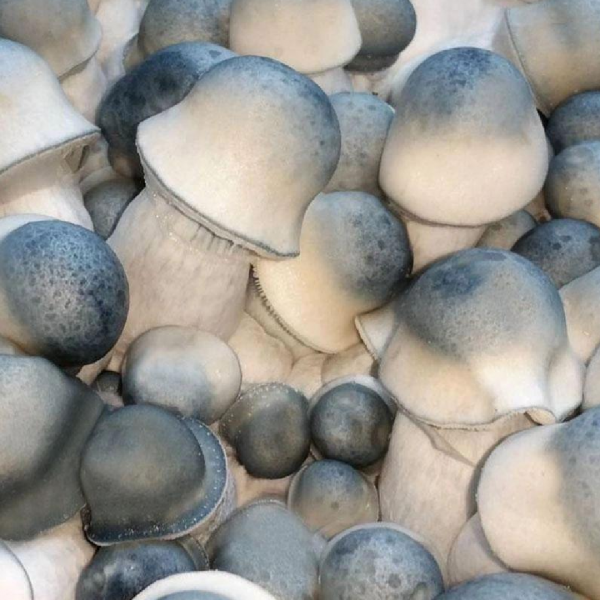
The legality of magic mushrooms, primarily containing the psychoactive compound psilocybin, has become a significant topic of discussion in the United States as interest in their potential therapeutic benefits grows. Once stigmatized and classified as illegal substances, magic mushrooms are now at the forefront of a shifting legal landscape, with various states reconsidering their stance on these natural psychedelics. This article explores where magic mushrooms are currently legal or decriminalized across the U.S., examines the implications of these changes, and considers the future of psilocybin legislation in the context of mental health treatment and societal attitudes.
Overview of Magic Mushroom Legality in the U.S.
Definition of Magic Mushrooms
Magic mushrooms, also known as psilocybin mushrooms, are fungi that contain the psychoactive compounds psilocybin and psilocin. When ingested, they can induce profound changes in perception, thought, and mood. Think of them as nature’s way of saying, “Let’s get weird!” – but maybe not for everyone, so proceed with caution.
Historical Context of Use and Legislation
Historically, magic mushrooms have been used in various cultures for spiritual and medicinal purposes dating back thousands of years. However, their journey in the U.S. took a nosedive in the 1970s when the Controlled Substances Act classified psilocybin as a Schedule I substance, making it illegal alongside other notorious party poopers like heroin. Fast forward to today, and the tides are turning as a growing number of people advocate for their therapeutic benefits.
States Where Magic Mushrooms Are Decriminalized
List of Decriminalized States
As of now, a handful of states have taken the plunge into decriminalization, allowing a more chill approach to magic mushrooms. These states include:
– Oregon (the trendsetter!)
– Colorado
– California (in select cities)
– Massachusetts (in select cities)
– Washington D.C.
You can enjoy some fungi without risking a trip to the slammer, but remember, the rulebook can vary widely!
Local Ordinances and City-Level Actions
While some states have led the charge, many cities within states have decided to grab the magic mushroom baton and run with it. For instance, Oakland and Santa Cruz in California have decriminalized psilocybin, and Denver was a trailblazer as the first U.S. city to do so. It’s a patchwork quilt of local laws, so if you’re considering a mushroom quest, you might want to double-check the rules in your city.
States with Legal Medical Use of Magic Mushrooms
Medical Use Regulations
As of now, Oregon is the only state that has legalized psilocybin for medical use, allowing licensed providers to administer it in controlled settings. This progressive step came from a 2020 ballot initiative and marks a significant shift in how we view mental health treatments. Other states are eyeing this model, but no one has officially jumped on the bandwagon yet.
Approved Conditions for Use
In Oregon, psilocybin can be administered for various mental health conditions, including depression, anxiety, PTSD, and addiction. Essentially, if your brain is feeling a little funky, there’s a solid chance psilocybin could lend a helping hand (or mushroom cap). Just remember, this isn’t a one-size-fits-all remedy, and it’s best used under professional guidance.
Current Legislative Movements and Proposals
Recent Bills and Initiatives
Legislative movements are popping up like wild mushrooms after a rainstorm. Recent proposals include states like California, New York, and New Mexico exploring the idea of legalizing psilocybin for therapeutic use. These bills are often backed by studies showcasing the potential benefits of psilocybin in treating mental health disorders, so stay tuned—this is an evolving saga.
Public Opinion and Advocacy Groups
Public opinion is shifting like a curious cat eyeing a cardboard box. More people are coming around to the idea of magic mushrooms for medicinal use, and advocacy groups are gaining traction. Organizations like the Multidisciplinary Association for Psychedelic Studies (MAPS) and others are tirelessly working to educate and advocate for legislative changes. It’s a fascinating time to watch as the dialogue surrounding psychedelics transforms from taboo to treatment!
Federal Stance on Magic Mushrooms
Current Classification and Scheduling
Magic mushrooms, primarily known for their psychedelic properties and the active compound psilocybin, currently fall under Schedule I of the Controlled Substances Act. This means the federal government classifies them as having no accepted medical use and a high potential for abuse. In layman’s terms, if you show up at a federal building with a baggie of shrooms, you’re not getting a participation trophy—more like a one-way ticket to a federal courtroom.
Potential Changes on the Horizon
Despite their federal status, there’s a growing chorus for change. Recent studies highlighting the potential mental health benefits of psilocybin are catching the government’s eye. Advocates argue that psilocybin can help treat depression, PTSD, and anxiety, particularly in terminally ill patients. So, while the feds might be slow to move, the winds of change are blowing, and they smell a bit like mushrooms.
Comparison of State Laws and Regulations
Variances in Legal Frameworks
Now, let’s talk about the wild west of state laws. While the feds may keep a tight grip, some states are loosening their belts. Oregon made headlines as the first state to legalize psilocybin for therapeutic use, and Colorado followed suit with decriminalization efforts. Meanwhile, you’ve got states where shrooms remain as illegal as skinny-dipping in a cactus garden. It’s a patchwork quilt of legality that can leave you scratching your head—or perhaps your toadstool.
Enforcement Practices Across States
Enforcement can vary as much as the weather in a New England spring. In states where decriminalization has taken place, law enforcement might roll their eyes at minor possession, opting for a warning over a citation. Conversely, in states with staunch anti-shroom policies, a mushroom might as well be a ticking time bomb. Local law enforcement will have you on the front page of the newspaper quicker than you can say “magic.”
Impacts of Legalization on Society and Mental Health
Benefits and Risks of Legalization
Legalization could mean a bounty of benefits, from improved mental health treatments to reduced criminal justice costs. Advocates tout magic mushrooms as a potential game-changer in the world of therapy. However, the flip side is that legalizing anything can lead to misuse, and the risk of people treating it like a party favor is a real concern. With great power comes great responsibility—or at least a very good reason to invest in educational campaigns!
Case Studies and Research Findings
A growing body of research suggests that psilocybin can aid in treatment-resistant depression and anxiety. For instance, a landmark study by Johns Hopkins found that patients reported lasting reductions in distress and improvement in mood after just a couple of doses. However, societal impacts are still under scrutiny. While the potential benefits are enticing, researchers are also quick to point out that more data is needed. So, while the magic is real, the science is still catching up.
Future Prospects for Magic Mushroom Legality in the U.S.
Predictions Based on Current Trends
Looking ahead, the future for magic mushrooms could very well be brighter than a neon sign at a convenience store. As more states experiment with legalization, we may see a domino effect across the country. If the current momentum continues, we might witness a profound shift in public perception, turning once-taboo mushrooms into a widely accepted therapeutic option.
Influence of Psychedelic Research and Therapy
The burgeoning field of psychedelic research is poised to influence legalization discussions significantly. As more clinical trials yield promising results, lawmakers may find it increasingly challenging to ignore the potential of psilocybin. With advocates armed with research, therapy options, and compelling testimonials, the conversation is shifting from “Why should we?” to “Why not?” If things continue on this trajectory, it won’t be long before the metaphorical mushrooms sprout in more legal gardens.As the conversation around magic mushrooms continues to evolve, it is clear that legal frameworks are adapting to reflect new understandings of their potential benefits. With several states leading the way in decriminalization and medical use, the future of psilocybin legislation appears promising. Ongoing research and advocacy will play crucial roles in shaping public perception and policy, paving the way for a more informed and compassionate approach to these powerful natural substances. As we move forward, staying informed about changes in legislation will be vital for those interested in the therapeutic possibilities of magic mushrooms.
FAQ
1. Are magic mushrooms legal in any states in the U.S.?
Magic mushrooms are legal or decriminalized in several states and cities across the U.S. for either recreational or medical use. Specific regulations vary by location.
2. What are the medical uses of magic mushrooms?
Magic mushrooms, particularly psilocybin, have shown potential in treating various mental health conditions such as depression, anxiety, PTSD, and substance use disorders.
3. How does decriminalization differ from legalization?
Decriminalization typically means that the possession and use of magic mushrooms are not prosecuted under state law, while legalization refers to a regulated framework allowing for legal possession, sale, and use.
4. What should I know before using magic mushrooms legally?
It’s important to research the specific laws in your state or locality, understand the potential risks and benefits, and consider consulting with a healthcare professional, especially if you have underlying health conditions.
No Responses